
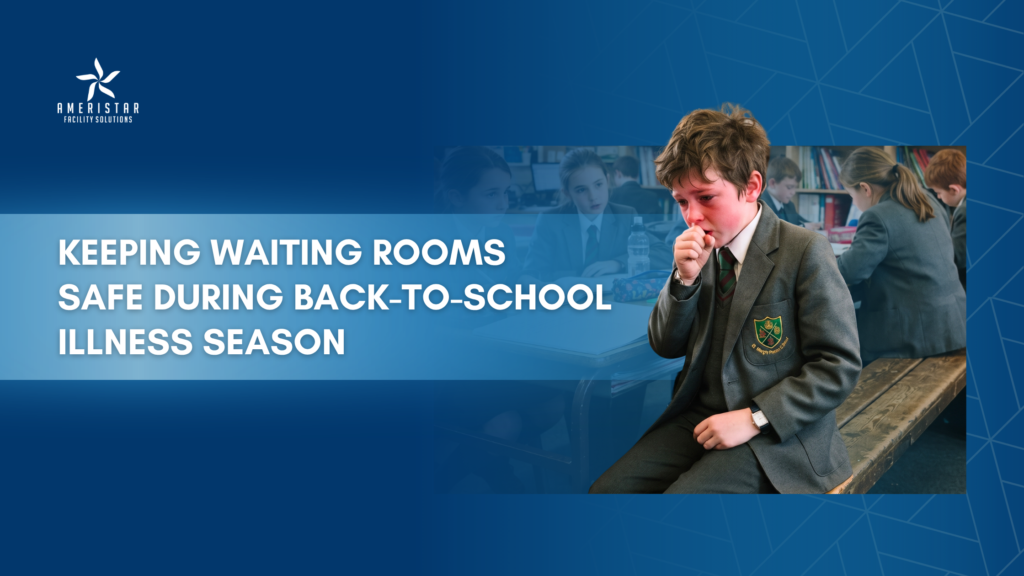
Once school starts, it usually does not take long for the first round of coughs, colds and other seasonal illnesses to make their way through the community. Waiting rooms are often one of the first places where that becomes noticeable.
Whether it is a medical office, urgent care center, dental practice or another facility where people spend time waiting, these shared spaces see a steady flow of visitors every day. That means more people touching the same chairs, door handles, counters and check-in screens.
You cannot stop every illness from coming through the door, but you can make sure your waiting room is cleaned in a way that helps reduce the spread of germs and keeps the space comfortable for everyone who walks in.
High-Touch Surfaces Need More Attention
There are certain spots in every waiting room that people use without thinking about it.
The front door gets opened dozens of times an hour. Patients check in at the counter, pull out chairs, flip through paperwork and press elevator buttons on the way in and out.
Those surfaces do not stay clean for long.
During back-to-school season, they should be cleaned and disinfected more often than usual, especially:
– Door handles and push plates
– Reception counters
– Check-in kiosks and touch screens
– Waiting room chairs and armrests
– Light switches
– Handrails
– Elevator buttons
Cleaning these areas throughout the day helps keep dirt, fingerprints and germs from building up.
Waiting Rooms Fill Up Faster Than You Expect
Back-to-school season is a busy time for many healthcare providers.
Children need physicals, vaccinations and last minute appointments before classes begin. At the same time, seasonal illnesses start making the rounds, which often means more patients spending time in the waiting area.
When the room is busier, it doesn’t stay clean as long.
Trash fills up faster, floors get dirtier and shared spaces need more frequent attention than they might during slower parts of the year.
Adjusting your cleaning schedule to match the increase in traffic can make a noticeable difference.
Don’t Forget the Chairs
People don’t usually think about waiting room chairs, but they are one of the most frequently used items in the building.
Every visitor sits down and many rest their hands on the armrests while they wait.
If chairs are only cleaned occasionally, they can quickly collect dirt, fingerprints and germs.
It’s a good idea to regularly:
– Wipe down armrests and seat backs.
– Disinfect hard surfaces.
– Vacuum upholstered seating.
– Check underneath chairs for dust and debris.
Keeping seating clean helps the whole room feel better cared for.
Floors Bring the Outdoors Inside
Parents, children and visitors bring in whatever’s on their shoes.
On a rainy day, that might be water and mud. During dry weather, it’s dust, leaves and dirt from parking lots and sidewalks.
Entryways and waiting areas tend to show that wear first.
Regular vacuuming, mopping and keeping entrance mats clean can help stop dirt from spreading through the rest of the facility.
Restrooms Matter More Than Ever
A clean restroom says a lot about how a facility is maintained.
During illness season, it’s also one of the most important spaces to stay on top of.
Restrooms should be checked throughout the day to make sure:
– Soap dispensers are full.
– Paper towels and tissue are stocked.
– Sinks and countertops are cleaned regularly.
– Trash bins are emptied before they overflow.
– High-touch surfaces are disinfected.
These small tasks help keep the space clean and ready for the next visitor.
Air Quality Should Not Be Overlooked
Cleaning is not only about the surfaces people can see.
When waiting rooms are full, air circulation becomes more important, especially in healthcare settings.
Replacing HVAC filters on schedule, keeping vents clean and making sure airflow is not blocked all help create a more comfortable indoor environment.
Dust also settles on vents, window sills and furniture over time, so these areas should not be forgotten during routine cleaning.
Keep Cleaning Consistent Throughout the Day
One thorough cleaning at the end of the day is not always enough during busy seasons.
As more patients and visitors move through the building, shared spaces need regular attention to stay presentable.
That might mean:
– Wiping down high-touch surfaces several times a day.
– Checking restrooms more frequently.
– Emptying trash before it’s full.
– Spot cleaning floors as needed.
– Restocking hand sanitizer and cleaning supplies.
Small tasks done consistently often have a bigger impact than waiting until the end of the day to clean everything at once.
Conclusion
Back-to-school season brings more activity to waiting rooms and that means cleaning routines often need to keep up with the extra traffic. Paying attention to high-touch surfaces, shared seating, restrooms, floors and indoor air quality can help your facility stay clean and welcoming during one of the busiest times of the year.
At AmeriStar Facility Solutions, we provide commercial cleaning services for healthcare facilities, medical offices, clinics and other businesses that depend on clean, well maintained spaces every day. We’ll work with you to build a cleaning schedule that fits your facility and keeps things running smoothly through every season.
Contact AmeriStar Facility Solutions
Call us at (570) 310-1057 or visit www.ameristarfacilitysolutions.com.